

 Feed back
 Privacy Policy
In recent years, the global resurgence of interest in alternative spiritual practices has found fertile ground in South Asia—particularly in Pakistan, India, and Bangladesh. This phenomenon represents a fascinating case of traditional fusion, where the esoteric language of tarot meets the rich tapestry of local culture and spiritual heritage. The growing interest in tarot and culture across these regions demonstrates how ancient traditions can harmonize with modern spiritual tools.
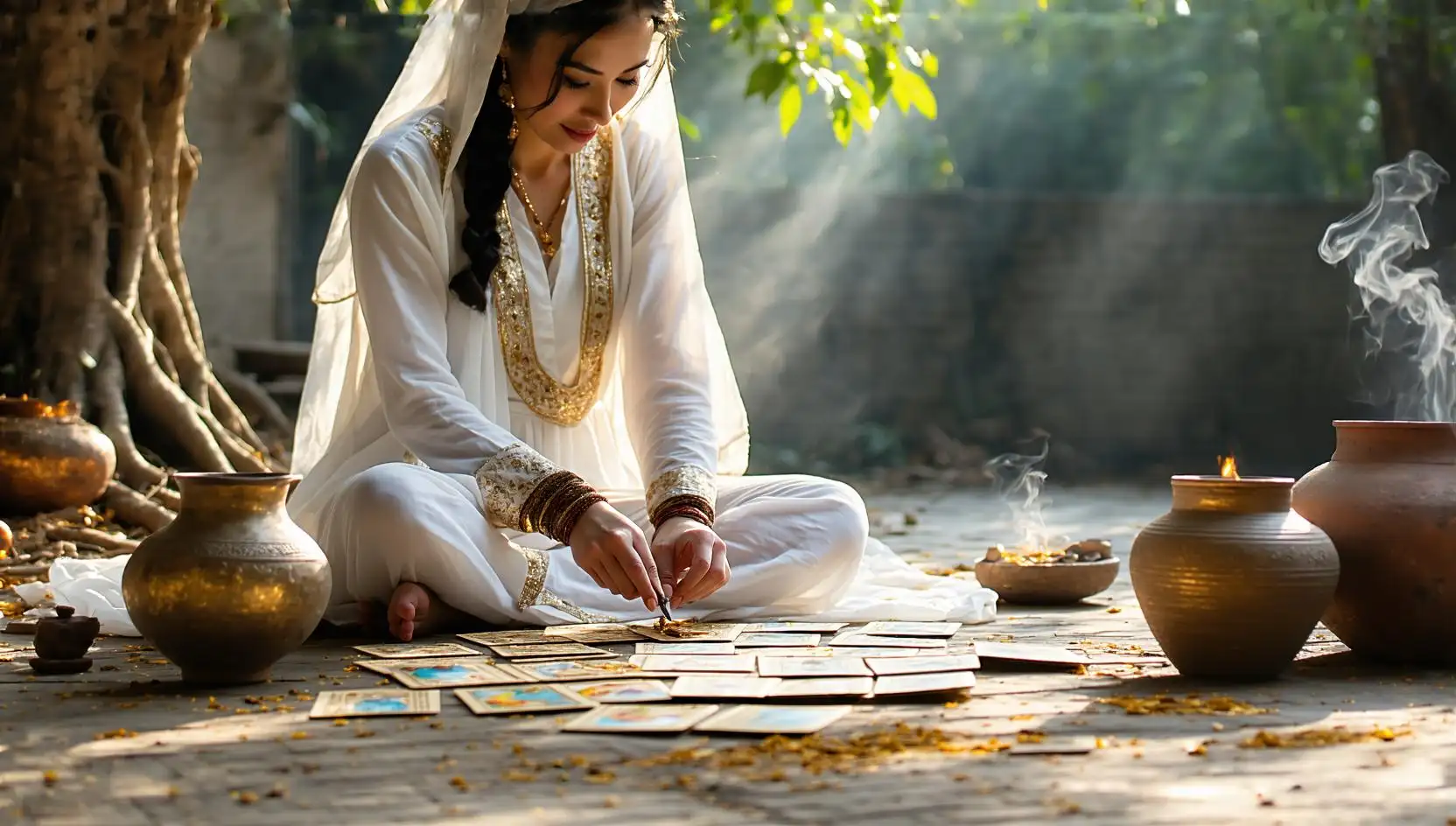
South Asia boasts millennia-old divinatory traditions that have shaped spiritual life across the region. India, Jyotish Shastra (Vedic astrology) continues to guide important life decisions, while Pakistan and Bangladesh maintain strong Sufi mysticism and folkloric fortune-telling traditions. These indigenous systems, relying on symbolic interpretation much like tarot, created fertile ground for the traditional fusion we see today.
The digital age has transformed tarot's accessibility across Pakistan, India, and Bangladesh. Urban professionals in cities like Lahore, Mumbai, and Dhaka increasingly use tarot for emotional guidance, blending it with existing practices like Vedic astrology in India or wazifa recitations in Pakistan. This cultural adaptation shows how tarot and culture can merge without losing essential meaning.
Artists across South Asia are creating culturally specific tarot decks that reflect regional identities. The "Devi Arcana" deck features Hindu goddesses, while the "Sufi Tarot" incorporates Islamic mystical imagery. These adaptations demonstrate the depth of traditional fusion occurring in the region's spiritual practices.
In Lahore, practitioners like Zainab combine tarot with Sufi teachngs, using custom decks featuring Quranic calligraphy. Delhi's Arjun merges tarot with Jyotish astrology, while rural Bangladeshi healers incorporate cards into dream interpretation rituals. These diverse examples highlight how tarot and culture evolve together organically.
Despite growing popularity, traditional fusion faces skepticism from religious conservatives and concerns about commercialization. Ethical issues regarding cultural appropriation also arise, prompting calls for responsible practice and interfaith dialogue to maintain authenticity in tarot and culture connections.
The future of tarot in South Asia points toward greater inclusivity and technological integration. Potential developments include AI-powered multilingual tarot apps and academic research into its psychological impacts. Community-building initiatives aim to preserve authenticity while expanding access to these blended spiritual tools.
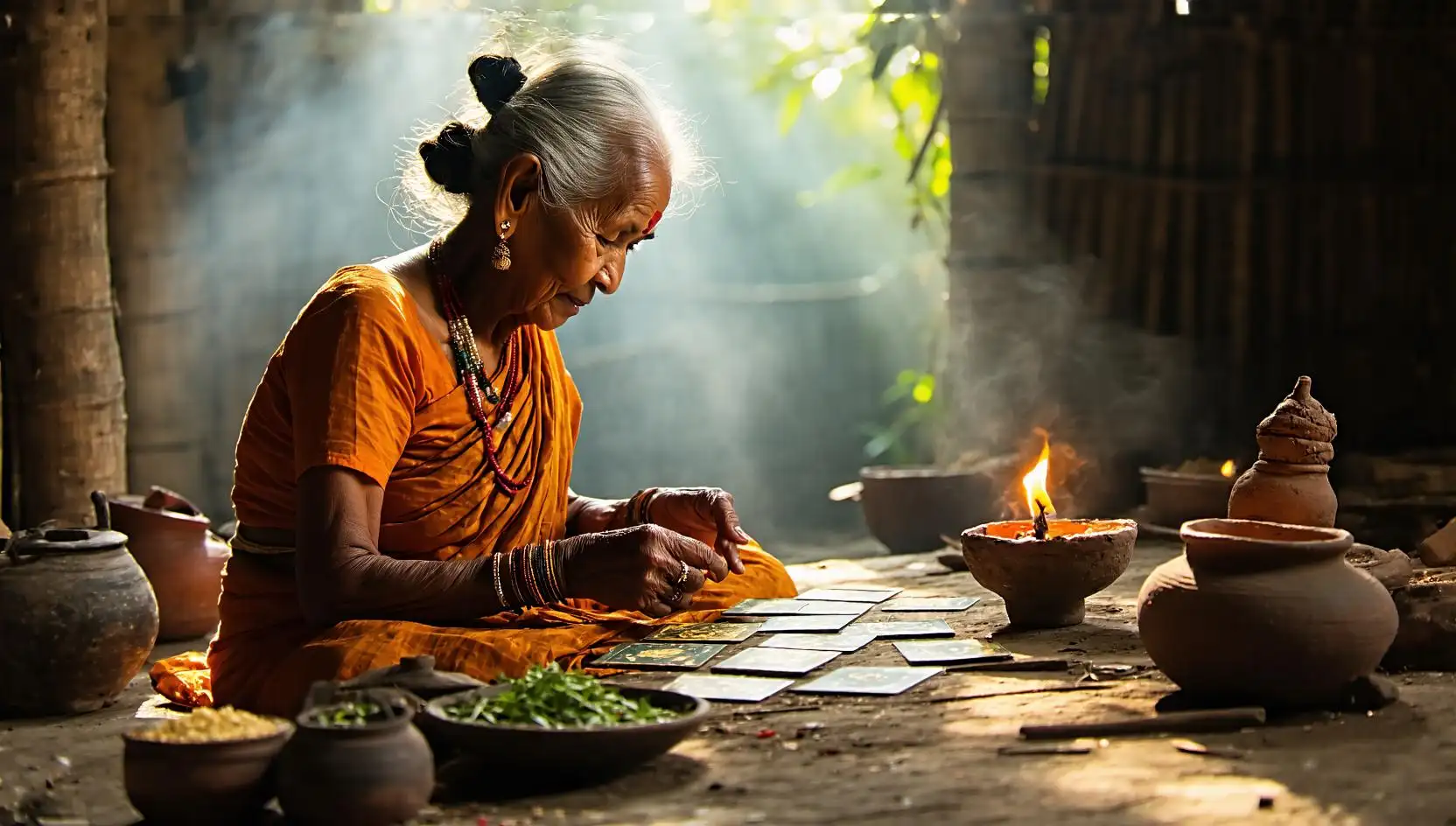
The journey of tarot in Pakistan and neighboring countries demonstrates how traditional fusion can enrich rather than erase cultural heritage. By honoring diverse spiritual expressions - from Sufi poetry to Vedic wisdom - tarot and culture together offer meaningful paths for personal growth and community connection in South Asia's dynamic spiritual landscape.
Disclaimer: The views expressed in this article are for informational purposes only and do not constitute professional advice.
Khan
|
2025.06.26


