

 Feed back
 Privacy Policy
In an era where digital distractions compete with ancient wisdom, South Asians are rediscovering tarot spreads for spiritual guidance. These powerful divination tools offer more than fortune-telling - they provide frameworks for self-discovery that resonate deeply with the region's mystical traditions. From busy professionals in Mumbai to yoga practitioners in Kathmandu, tarot's adaptable nature makes it uniquely suited for South Asia's diverse spiritual landscape where intuitive wisdom meets modern challenges.

While tarot cards entered South Asia through European trade routes, their symbolic language found immediate kinship with indigenous divination practices. Ancient Vedic texts describe similar systems of cosmic interpretation through signs and omens, while Sufi tradtions cultivated the introspection that makes tarot readings meaningful. The colonial period saw cross-pollination between Western occultism and Eastern spirituality, creating fertile ground for tarot's contemporary renaissance across India, Pakistan, and Bangladesh.
Modern South Asian tarot practitioners have reimagined traditional decks by incorporating regional deities and philosophical concepts. The Empress card might reflect Parvati's nurturing energy, while the Wheel of Fortune aligns with the Hindu concept of samsara. This localization extends to language too, with Hindi, Urdu and Bengali interpretations making readings more accessible while maintaining the cards' archetypal power.
Certain tarot spreads have gained particular prominence in South Asia due to their alignment with cultural values and spiritual needs:
A five-card adaptation specifically developed for South Asian contexts examines dharma (duty), karma (action), artha (resources), kama (desire), and moksha (liberation). Business owners in Chennai and students in Lahore alike use this spread when facing major crossroads, finding its structure mirrors traditional wisdom about life's interconnected dimensions.
With seven cards arranged in a mandala pattern, this spread examines generational patterns and relationship dynamics - especially valuable in cultures where family plays such a central role. Marriage counselors in Delhi and Dhaka sometimes incorporate modified versions to help couples navigate both practical and spiritual dimensions of partnership.
Mobile apps like "Desi Tarot Guru" and YouTube channels offering daily readings in regional languages have made tarot accessible to millions. However, this convenience comes with challenges - distinguishing authentic guidance from algorithmic randomness requires discernment. The most ethical digital platforms combine technology with human wisdom, offering live consultations alongside AI-generated interpretations.
A Mumbai-based startup founder shares how monthly tarot sessions helped her team navigate rapid scaling challenges. The Celtic Cross spread revealed unconscious resistance to delegation, prompting leadership training that aligned with both business needs and personal growth paths. Such integrations of mystical practice with professional development are becoming increasingly common in South Asia's corporate world.
Despite growing acceptance, some religious communities still view tarot with suspicion. Educators are combating misconceptions by highlighting tarot's role as a psychological mirror rather than a fortune-telling device. Workshops emphasizing tarot's compatibility with meditation and Ayurveda re helping bridge the gap between tradition and contemporary spiritual practice.
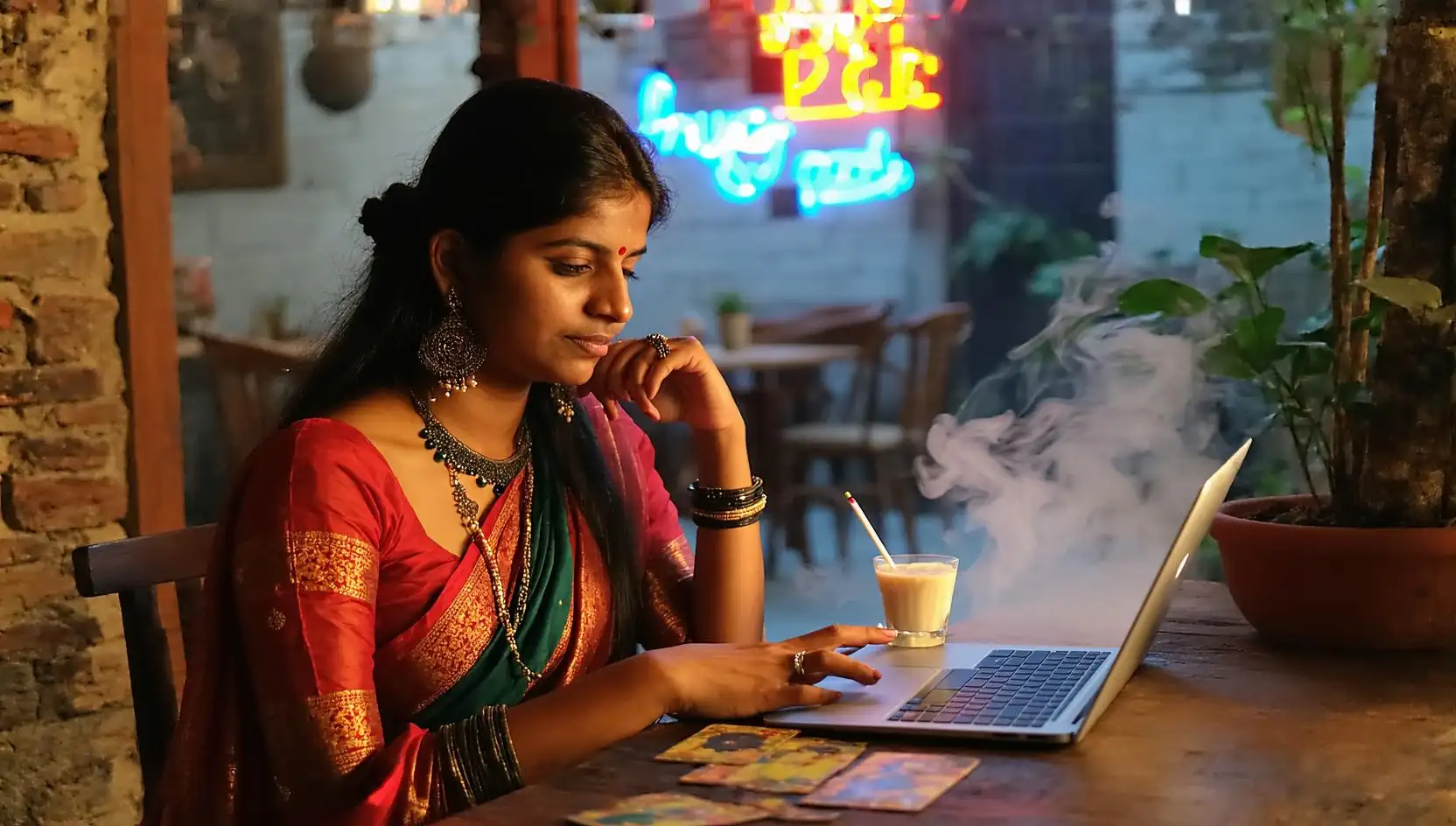
As mindfulness practices gain mainstream acceptance, tarot is poised to become an integrated tool for holistic living. University courses exploring tarot's connections to Jungian psychology and Vedic philosophy suggest a coming era of academic legitimacy. Meanwhile, local artists are creating stunning new decks featuring regional art styles and mythological themes, ensuring tarot's evolution remains rooted in South Asian cultural identity.
Those new to tarot in South Asia might begin with simple three-card readings focused on present challenges rather than future predictions. Keeping a journal to track how card interpretations relate to real-life experiences builds intuitive skills over time. Many find combining tarot with established practices like morning meditation or pranayama creates a balanced approach to spiritual development.
In this vibrant convergence of ancient and modern, tarot spreads offer South Asians a unique language for navigating life's complexities while honoring cultural roots. As both a spiritual compass and psychological tool, tarot's adaptability ensures its continued relevance for generations seeking meaning in an ever-changing world.
Sharma
|
2025.06.26


