

 Feed back
 Privacy Policy
The mystical art of tarot reading has witnessed unprecedented growth across South Asia, particularly in Pakistan, India, and Bangladesh. What was once considered an occult practice has transformed into a respected tool for self-discovery and guidance. For individuals seeking to elevate their skills beyond casual readings, advanced tarot training becomes the gateway to professional development.
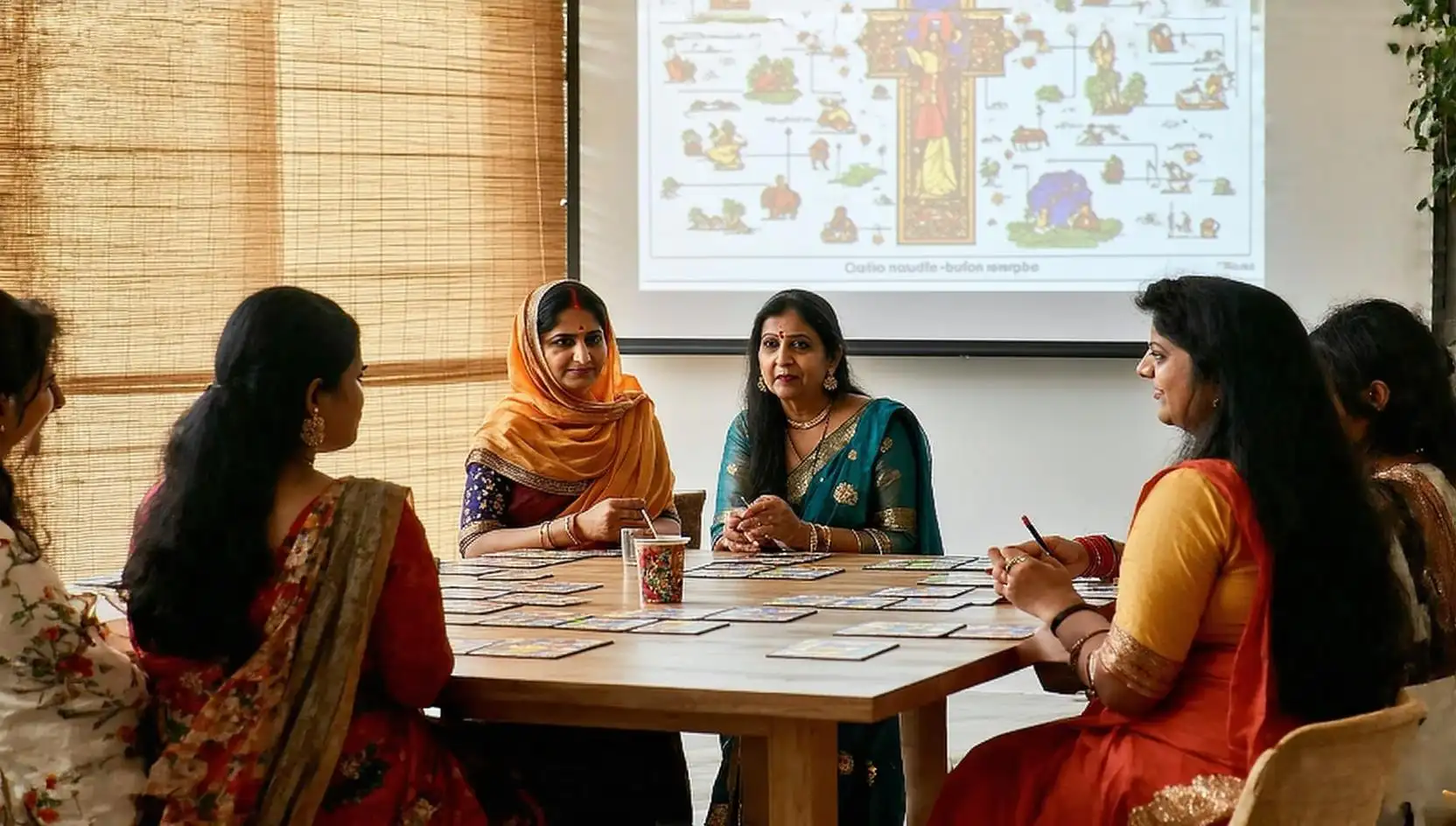
Moving beyond basic card interpretations, professional tarot development in Bangladesh requires understanding the intricate layers of symbolism, numerology, and elemental correspondences. Unlike introductory courses that focus on memorization, advanced training emphasizes contextual interpretation and intuitive development.
Professional development in tarot demands strict adherence to ethical standards including client confidentiality, emotional boundaries, and responsible guidance. These principles hold particular importance in conservative regions where spiritual consultations carry cultural sensitivities.
Serious learners in South Asia can choose from multiple avenues for advanced tarot training:
Formal certification not only enhances credibility but also opens doors to professional opportunities in coaching, writing, and paid consultations. The growing demand for certified readers in urban centers like Dhaka and Chittagong reflects shifting attitudes toward metaphysical practices.
Successful professional development requires adaptation to local contexts. In Pakistan and India, this means blending traditional spiritual concepts with modern tarot interpretations. Digital marketing through Instagram and YouTube has proven particularly effective for reaching South Asian audiences interested in personal growth.
Whether setting up a physical consultation room or virtual practice through Zoom, professional tarot readers must create environments that inspire trust. Many successful practitioners in Bangladesh have developed hybrid models combining in-person and online services.
Advanced tarot training introduces sophisticated spreads like the Celtic Cross and Relationship Timeline that provide nuanced insights. Integration with complementary disciplines like astrology and chakra healing creates holistic offerings that stand out in competitive markets.
Professional development must include training in spiritual hygiene. Regular deck cleansing, grounding exercises, and protective rituals help maintain energetic balance during intensive reading sessions.
Despite growing acceptance, professional tarot practitioners in South Asia often face skepticism from traditional communities. Building resilience against criticism while maintaining ethical boundaries represents a critical component of advanced training programs.
Professional development must address the psychological demands of frequent readings. Establishing healthy boundaries, implementing self-care routines, and recognizing signs of burnout ensure sustainable practice.
Inspirational case studies demonstrate how advanced tarot training transformed enthusiasts into respected professionals. From Dhaka-based readers building digital platforms to Lahore practitioners integrating tarot with life coaching, these examples showcase the potential of professional development.
The future of advanced tarot training embraces digital innovation including AI-assisted interpretations and virtual reality experiences. South Asia's growing tech-savvy population presents unique opportunities for blending ancient wisdom with modern delivery methods.

Professional development in tarot represents an ongoing commitment to growth and service. For serious learners in Pakistan, India, and Bangladesh, advanced tarot training provides the foundation for meaningful careers that honor both tradition and innovation. By embracing continuous learning and cultural adaptation, practitioners can achieve both personal fulfillment and professional success.
Ahmed
|
2025.06.26


