

 Feed back
 Privacy Policy
In recent years, an unexpected phenomenon has swept across the urban landscapes of India, Pakistan, and Bangladesh — the growing fascination with Tarot cards among young adults. Once associated primarily with Western mysticism, Tarot has now found a new audience in the digital-savvy, spiritually curious youth of South Asia. This shift reflects a broader cultural movement where traditional beliefs intersect with modern self-help ideologies, creating a unique blend of spiritual exploration and personal development. As Tarot popularity continues to rise across IN, PK, and BD, it's worth examining what drives this youth culture phenomenon and its implications for spiritual trends in the region.
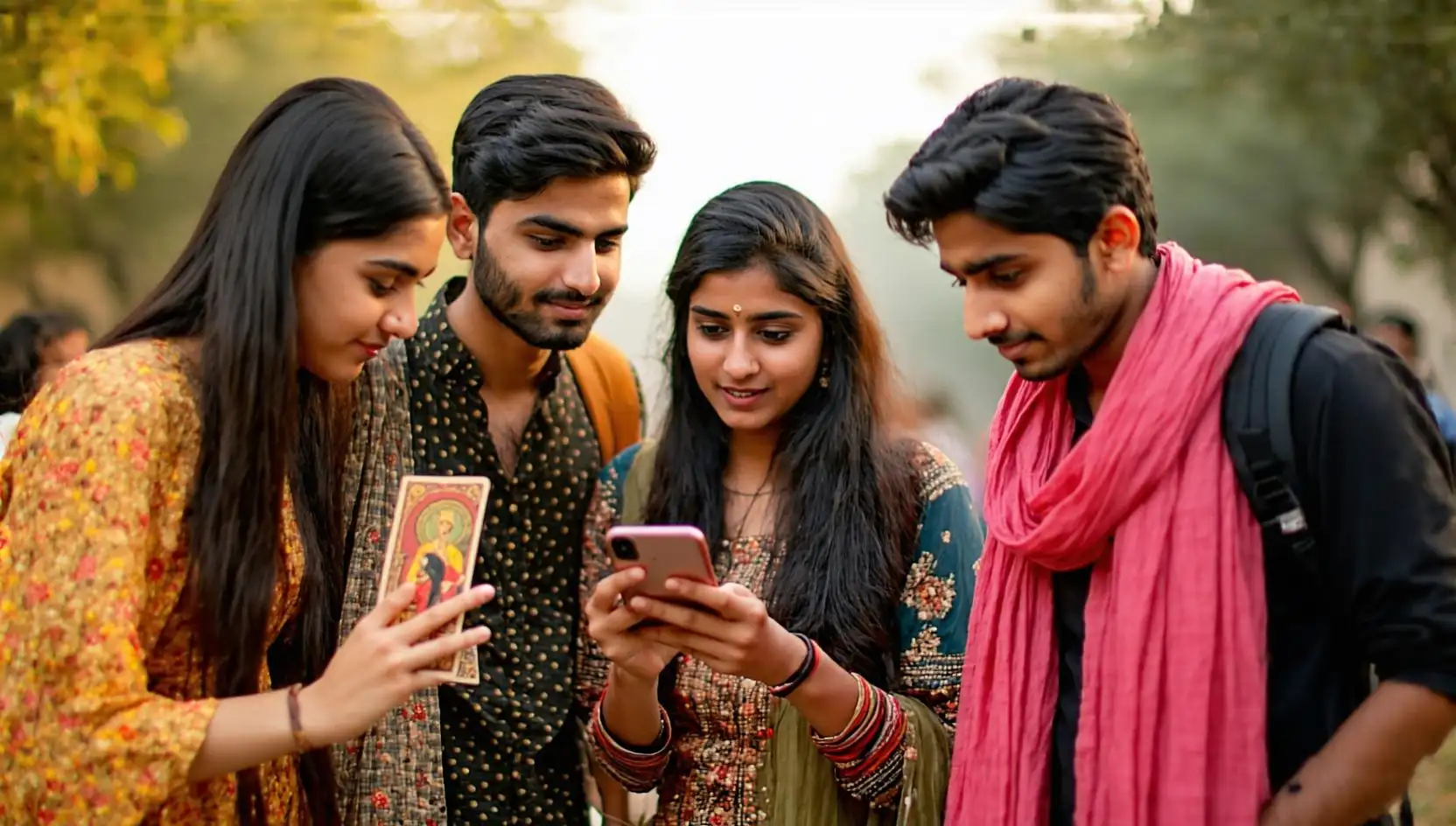
South Asia's youth culture is experiencing a notable resurgence of interest in alternative spirituality. This spiritual trends movement can be attributed to rising stress levels from academic pressures, the need for emotional clarity, and openness to non-traditional wisdom. Platforms like Instagram and YouTube have amplified these spiritual trends, making Tarot popularity soar among digitally-native young adults in IN, PK, and BD who seek introspection beyond conventional frameworks.
The modern interpretation of Tarot in South Asia's youth culture positions it as a psychological tool rather than mere fortune-telling. Young adults in IN, PK, and BD increasingly use Tarot cards for emotional management and decision-making processes, with certified readers integrating mindfulness techniques that resonate with this pragmatic generation.
Digital platforms have been instrumental in the Tarot popularity boom. Instagram serves as a hub for South Asian Tarot influencers, while Facebook groups and WhatsApp communities provide peer support. This digital democratization has made Tarot accessible across IN, PK, and BD, with content available in Hindi, Urdu, and Bangla.
TikTok and Instagram Reels have transformed Tarot into digestible content for Gen Z, blending entertainment with education. These spiritual trends in short video format create interactive communities where young adults discuss interpretations and personal applications.
Within South Asia's youth culture, Tarot has become a mental wellness tool, offering accessible emotional exploration where traditional therapy remains stigmatized. The symbolic language of Tarot cards provides a framework for self-reflection that aligns with contemporary psychological concepts.
Real-life examples from IN, PK, and BD demonstrate Tarot's personalized applications - from students managing exam stress to professionals overcoming creative blocks. These cases illustrate how Tarot popularity stems from its adaptability to individual needs in South Asia's diverse youth culture.
Despite growing Tarot popularity, religious conservatism in some IN, PK, and BD communities views the practice with suspicion. Younger practitioners counter these concerns by emphasizing Tarot's introspective rather than predictive nature, fostering dialogues between tradition and modern spirituality.
The spiritual trends boom has led to concerns about commodification and cultural appropriation in the Tarot industry. South Asian educators are advocating for more culturally grounded approaches that honor local traditions while embracing Tarot's therapeutic potential.
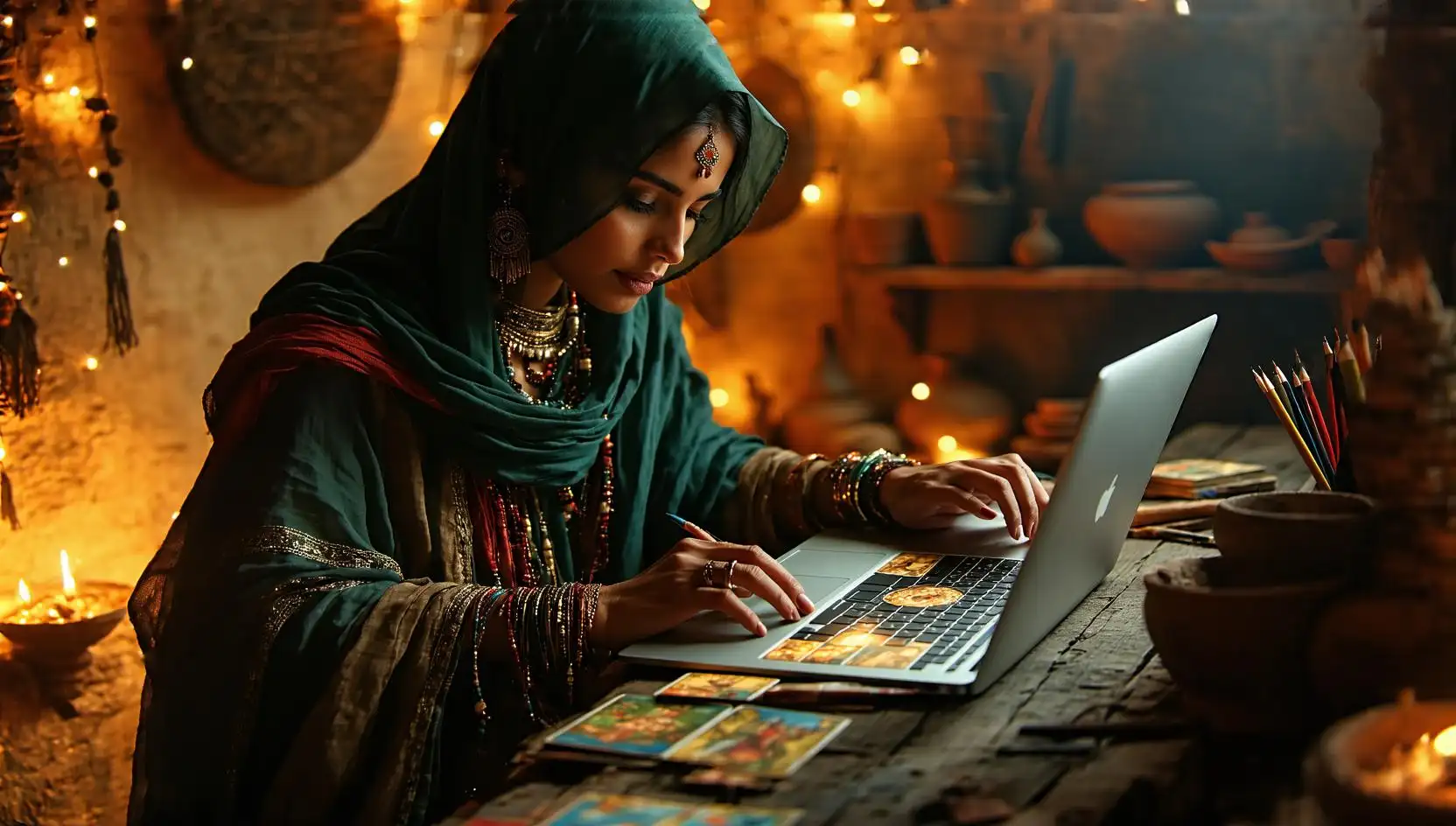
As Tarot popularity grows in IN, PK, and BD, we may see formal education programs emerge, blending Tarot with traditional practices like yoga and Ayurveda. Technological advancements could introduce AR/VR Tarot experiences, though ethical considerations around data privacy will need addressing.
The sustainability of Tarot in South Asia's youth culture depends on creating inclusive spaces that maintain accessibility and ethical standards. By honoring diverse perspectives, Tarot can remain a meaningful tool for self-discovery across generations in IN, PK, and BD.
What are Tarot cards used for?
Can anyone learn to read Tarot cards?
Is Tarot reading considered religious in South Asia?
How do I find a reliable Tarot reader online?
Can Tarot help with mental health issues?
Chatterjee
|
2025.06.26


