

 Feed back
 Privacy Policy
In recent years, the concept of Tarot career has begun to take root in the cultural soil of South Asia. Once considered a niche or esoteric pursuit, Tarot reading is now being explored as a legitimate profession, especially among young adults seeking alternative job opportunities. With countries like India, Pakistan, and Bangladesh witnessing rapid urbanization, the demand for spiritual guidance services has seen remarkable growth.
Historically, divination practices have existed across these nations - from Vedic astrology in India to Sufi mysticism in Pakistan. The modern interpretation of Tarot cards has introduced new career possibilities that blend tradition with innovation in these South Asian markets.

South Asia presents complex yet promising terrain for Tarot career aspirants. While traditional beliefs remain strong, the younger generation's openness to global spiritual trends creates fertile ground for growth in India, Pakistan, and Bangladesh.
In dia's metropolitan cities like Mumbai and Delhi, there's growing willingness to pay for personalized readings. Statista projects India's online wellness market (including spiritual services) to grow at 18% CAGR until 2028, indicating substantial job opportunities for Tarot professionals.
Pakistan shows different dynamics - despite conservative norms, social media enables discreet service offerings. Many practitioners operate under "spiritual counseling" labels, creating parallel job opportunities through encrypted messaging apps.
Bangladesh's scenario involves slower adoption, though online communities indicate shifting attitudes. Expatriates offering remote Tarot sessions contribute to growing local awareness about this unconventional career path.
Establishing a Tarot career in India, Pakistan or Bangladesh requires strategic planning beyond card reading skills. Several pathways exist for those pursuing spiritual job opportunities in these markets.
Education remains foundational - while formal Tarot programs are rare, online certifications from platforms like Biddy Tarot Academy enhance credibility, particularly in India where clients value professional credentials.
Mentorship proves valuable, especially in Pakistan where small Tarot circles help newcomers navigate ethical dilemmas. Developing a personal brand through social media becomes crucial across all three countries.
Monetization strategies vary - from subscription services in India to bilingual content in Bangladesh. Successful practitioners often diversify into mobile apps or specialized e-books to maximize their career potential.
Pursuing a Tarot career in India, Pakistan or Bangladesh involves navigating significant obstacles that affect job opportunities and professional growth in this unconventional field.
Social stigma represents a major barrier across South Asia. A 2022 SIPG survey found over 60% of Dhaka respondents considered Tarot reading "not a real profession," reflecting widespread skepticism needing public education efforts.
Legal ambiguities complicate operations, particularly in Pakistan where periodic crackdowns occur. India's scenario varies by state, while Bangladesh lacks clear regulations, creating uncertainty for career development.
Market saturation from self-proclaimed experts on social media makes differentiation challenging, especially in Bangladesh's unregulated environment. Maintaining authenticity becomes crucial for sustainable career growth.
The table below compares key aspects of Tarot career opportunities across India, Pakistan and Bangladesh:
| Country | Legal Environment | Social Acceptance | Digital Presence | Practitioners |
|---|---|---|---|---|
| India | Neutral | Moderate-High | Strong | 15,000+ |
| Pakistan | Restrictive | Low | Moderate | 2,000-3,000 |
| Bangladesh | Ambiguous | Very Low | Emerging | ~500 |
India offers relatively open operations with wellness hubs in cities like Pune and Goa. Pakistan's restrictive environment pushes many practitioners underground, while Bangladesh shows nascent interest among urban youth despite social barriers.
The Tarot career landscape in India, Pakistan and Bangladesh stands poised for transformation through several emerging trends that could expand job opportunities.
AI integration shows promise, particularly in India where startups develop Tarot chatbs combining machine learning with spiritual symbolism. This technological adoption could create new career dimensions for tech-savvy practitioners.
Wellness industry synergy grows in Pakistan as yoga studios and mental health clinics incorporate Tarot sessions. Cross-cultural collaborations with Western platforms help South Asian readers gain international recognition.
Youth engagement drives change in Bangladesh as Gen Z embraces spirituality for self-care. This generational shift suggests gradual acceptance that could make Tarot careers more viable long-term.
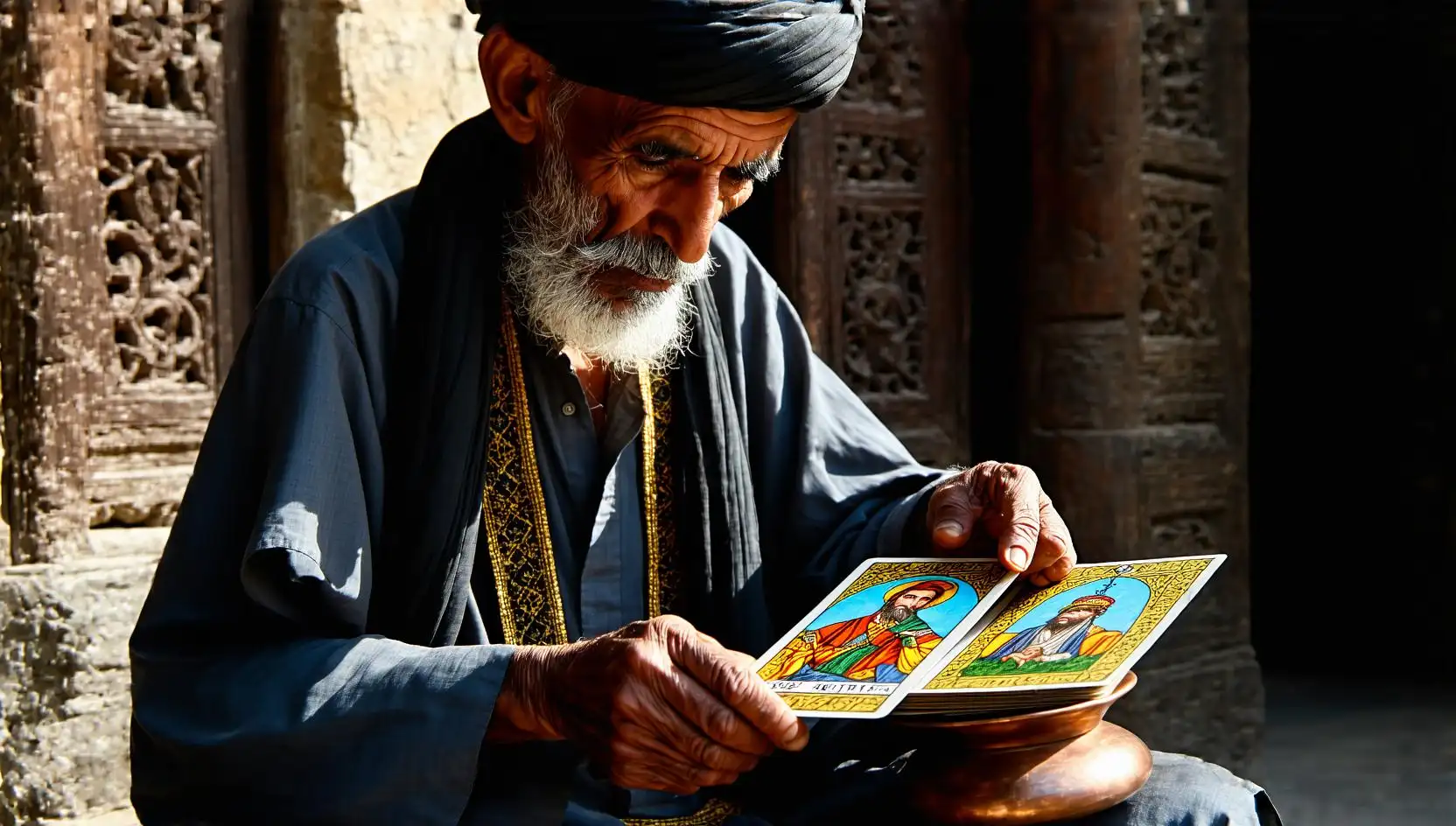
While challenges persist, a Tarot career in India, Pakistan or Bangladesh offers meaningful rewards for those approaching it professionally. Digital expansion, shifting attitudes and wellness industry integration suggest growing job opportunities across South Asia.
Success requires more than divination skills - it demands business acumen, cultural sensitivity and ethical practice. For dedicated individuals willing to navigate complexities, Tarot reading can become both spiritually fulfilling and financially viable in these evolving markets.
Rajpal
|
2025.06.26


