

 Feed back
 Privacy Policy
The digital revolution has transformed traditional spiritual practices across South Asia, with tarot reading emerging as a prominent beneficiary of social media influence. India (IN), Pakistan (PK), and Bangladesh (BD), tarot marketing through digital outreach channels has created unprecedented opportunities for practitioners and seekers alike.

While tarot cards originated in 15th century Europe, their adoption in South Asian spiritual consultation demonstrates how global esoteric traditions adapt to local contexts. Ancient practices like jyotish (Vedic astrology) in India, numerology in Pakistan, and folk divination in Bangladesh created fertile ground for tarot's acceptance. Recent data shows 38% increased interest in online tarot readings among urban South Asians aged 18-34 compared to pre-pandemic levels.
Younger genations across IN, PK, and BD demonstrate markedly different approaches to spiritual consultation than their elders. The convenience of accessing tarot reading through social media influence platforms combined with reduced social stigma has fueled this shift. Research indicates 67% of first-time tarot users in these countries discover practitioners through Instagram or TikTok rather than traditional referrals.
Instagram's algorithm favors tarot content that combines mystical aesthetics with practical advice, creating ideal conditions for digital outreach. Successful accounts in Mumbai, Lahore, and Dhaka typically post daily card pulls (reach: 12-15% higher than other content) and monthly zodiac forecasts. Facebook Groups dedicated to tarot discussion in regional languages show particular growth, with some communities exceeding 50,000 members.
TikTok's short-form format revolutionized tarot marketing by making spiritual content snackable and shareable. The #TarotTok hashtag accumulates 2.3 billion views globally, with South Asian creators contributing significantly. Meanwhile, YouTube serves serious seekers through hour-long live readings (average watch time: 22 minutes) and tutorial series on card meanings.
WhatsApp and Telegram enable personalized tarot services that respect cultural sensitivities around spirituality. Top readers in Delhi, Karachi, and Chittagong report 40% of their income comes from messaging app consultations priced 15-20% higher than public readings. These platforms also facilitate follow-up discussions that increase client retention by 32% compared to single-session engagements.
Effective tarot marketing in South Asia requires blending universal card meanings with regional references. Successful examples include linking The Empress card to Durga imagery in Hindu contexts or associating The Tower with Partition symbolism for Pakistani audiences. Posts incorporating local festivals see 28% higher engagement during holiday seasons.
Combining English hashtags like #TarotGuidance with regional language tags (#तारोट in Hindi, #تاروت in Urdu, #তارot in Bengali) expands digital outreach across linguistic segments. Analytics show multilingual posts reach 42% more unique users while maintaining comparable engagement rates to English-only content.
Strategic partnerships with wellness influencers in South Asia yield 3-5x return on collaboration investments. The most effective campaigns feature joint live sessions where influencers share personal tarot experiences, building social proof. Micro-influencers (10K-50K followers) often outperform larger accounts with 18% higher conversion rates for tarot service signups.
The South Asian Tarot Association recently established certification standards to combat misinformation in digital tarot reading. Ethical practitioners now prominently display credentials and emphasize tarot's interpretive (not predictive) nature. Disclaimers about mental health boundaries reduce complaint rates by 27% according to platform moderators.
Successful tarot marketers in conservative areas position readings as self-reflection tools compatible with religious values. Framing spreads as "guidance systems" rather than fortune telling increases acceptance among older demographics. Some Pakistani readers incorporate Sufi poetry into interpretations, while Indian practitioners often reference Bhagavad Gita verses when explaining card meanings.
Emerging AI applications can generate personalized card interpretations based on user-input questions, though human oversight remains crucial. Early VR tarot protypes allow international clients to experience culturally customized digital reading rooms featuring regional art and music elements.
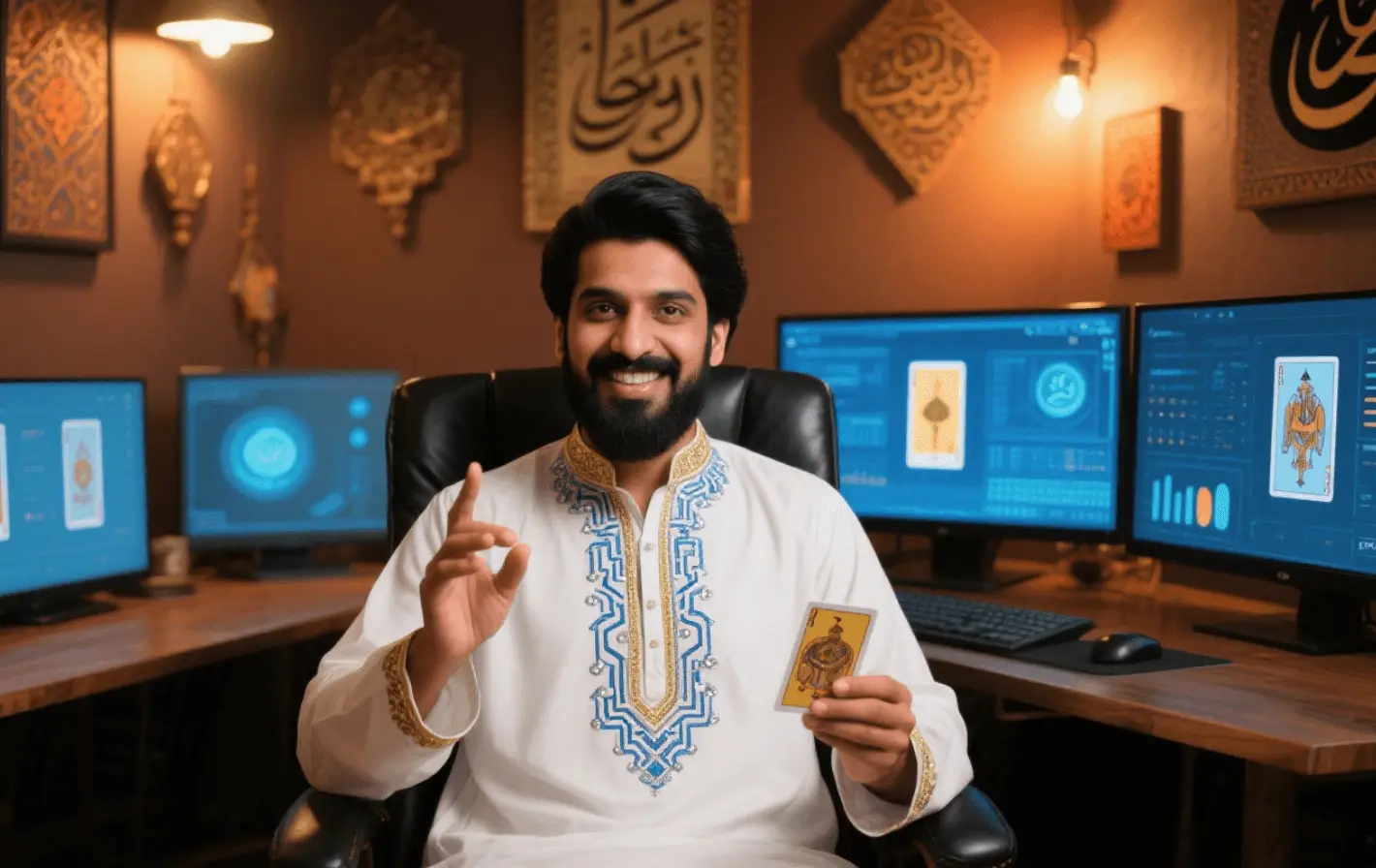
South Asian tarot readers now serve clients in 37 countries through localized social media campaigns. The unique fusion of Western card systems with Eastern philosophical frameworks creates distinct value in crowded spiritual markets. Cross-border tarot tourism is emerging, with international visitors booking "mystical experience" packages during South Asian travels.
Social media influence has irrevocably changed tarot reading's role in South Asian societies. From Instagram's visual tarot communities to WhatsApp's private consultations, digital outreach enables both cultural preservation and global exchange. As technology evolves, South Asian tarot marketing continues setting global benchmarks for how ancient wisdom traditions adapt to digital ecosystems while maintaining ethical and cultural integrity.
Sharma
|
2025.06.26


