

 Feed back
 Privacy Policy
In our globally connected world where spirituality intersects with cultural identity, the fascinating parallels between Tarot symbolism and Bangladeshi folklore reveal profound connections across traditions. This exploration of cultural fusion offers unique insights into how divination practices evolve while maintaining roots in traditional beliefs.
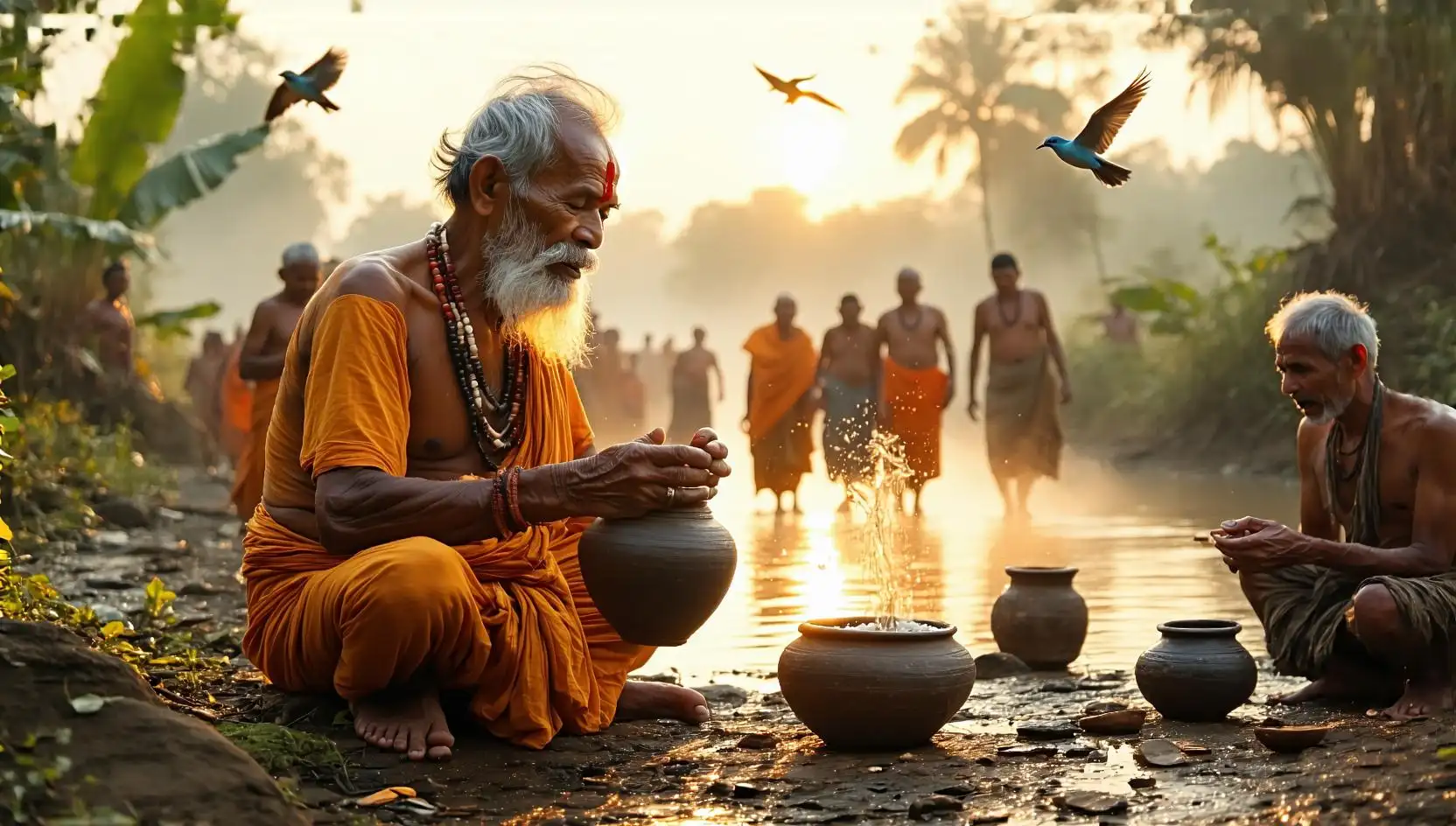
Long before European esoteric traditions reached the subcontinent, South Asia had already developed sophisticated divination practices embedded in Vedic texts and oral folklore. These weren't merely fortune-telling methods but holistic systems for understanding cosmic rhythms and human psychology - remarkably similar to how tarot functions today.
Traditional Bengali practices like Pancher Gan (five-element dream interpretation) and the Shakuni Buri folktales demonstrate how Bangladeshi folklore has always used symbolic representation for guidance. These traditional beliefs share fundamental similarities with tarot reading, particularly in their use of archetypes and cyclical time concepts.
The 78-card tarot system, with its Major and Minor Arcana, offers a remarkably flexible framework for psychological and spiritual reflection. Cards like The Fool and The Tower carry multilayered meanings that transcend their European origins, allowing for meaningful cultural fusion with local traditions worldwide.
What makes tarot particularly compatible with Bangladeshi folklore is this inherent adaptability. The same card can represent different concepts based on cultural context - an attribute that enables seamless integration with South Asia's rich tradition of symbolic storytelling and divination practices.
From river goddess Manasa to trickster figures like Alauddin Janwar, Bangladeshi folklore abounds with characters that parallel tarot archetypes. The Chand Sada (legendary seer) mirrors the High Priestess, while folk motifs like the seven sisters find echoes in tarot's numerical symbolism.
These parallels suggest universal psychological patterns expressed through culturally specific symbols. When Bangladeshi readers interpret the Empress card through associations with Durga or Shitala, they demonstrate how traditional beliefs can enrich modern divination practices through organic cultural fusion.
Modern creators are actively developing tarot decks that incorporate Bangladeshi cultural elements like patachitra art style and Bangla script. Projects like "Tarot o Banglar Desh" reimagine traditional cards using characters from Maimansingha Gitika and Thakurmar Jhuli - preserving folklore while making tarot more accessible.
Social media has accelerated this cultural fusion, with influencers across BD, PK and IN sharing hybrid readings that combine tarot spreads with Bengali proverbs and folk wisdom. This reflects younger generations' desire to connect traditional beliefs with global spiritual trends.
Despite modernization, traditional divination practices remain vital in South Asia. Recent surveys show over 60% of young Bangladeshis use some form of divination, with many blending ancestral methods with tarot. This integration demonstrates how traditional beliefs adapt rather than disappear.
| Age Group | Traditional Methods (%) | Modern Methods (%) | Combination Use (%) |
|---|---|---|---|
| 18-25 | 67 | 52 | 48 |
| 26-35 | 61 | 49 | 45 |
| 36-45 | 55 | 40 | 38 |
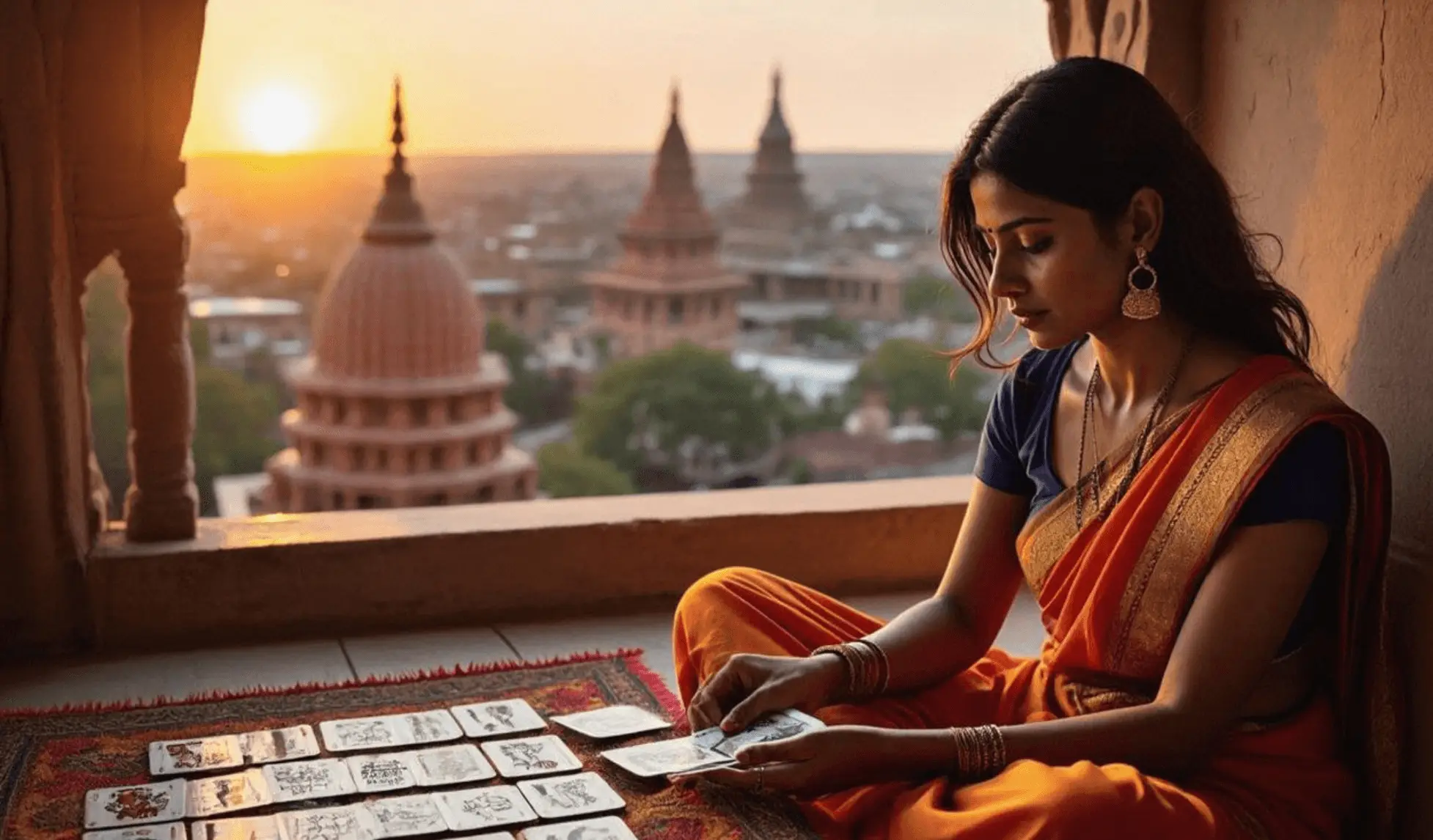
The dynamic interplay between Tarot symbolism and Bangladeshi folklore represents more than just an interesting cultural comparison - it demonstrates how spiritual traditions evolve through respectful exchange. This cultural fusion honors traditional beliefs while allowing for creative reinterpretation in contemporary contexts.
As this synthesis continues, it offers South Asians meaningful ways to engage with both their heritage and global spirituality. The shared symbolic language between tarot and folklore reminds us that beneath cultural differences lie universal human concerns about destiny, meaning, and connection.
What hybrid spiritual practices have you encountered that blend traditional and modern elements? Share your experiences with cultural fusion in divination practices in the comments below.
Disclaimer: The content provided is for informational purposes only and should not be considered as professional advice. Spiritual practices may vary across cultures and individuals.
Rahman
|
2025.06.26


