

 Feed back
 Privacy Policy
In the mystical world of divination, few tools are as revered and widely used as the Tarot deck. At the heart of every Tarot reading lies the Major Arcana, a collection of 22 powerful cards that represent significant life lessons, archetypal energies, and transformative experiences. For any serious student of Tarot lessons, understanding the Major Arcana explained is not just beneficial—it's essential. Whether you're based in Pakistan, India, or Bangladesh, where spiritual traditions run deep, the relevance of Tarot has been growing steadily over the past decade.
The Major Arcana serves as the backbone of any meaningful Tarot practice, offering insights into major turning points, karmic cycles, and personal evolution. Unlike the Minor Arcana, which deals with day-to-day occurrences, the Major Arcana speaks to the soul's journey through life. In regions like South Asia, where astrology, palmistry, and numerology have long held cultural significance, the integration of Tarot into spiritual practices feels both natural and profound. As interest in holistic wellness and self-awareness continues to rise across the subcontinent, more individuals are turning to Tarot lessons to unlock deeper truths about themselves and their destinies.

To truly appreciate the depth of the Major Arcana explained, one must explore each card's unique symbolism and narrative. From The Fool, representing new beginnings and boundless potential, to The World, symbolizing completion and fulfillment, each card tells a story that resonates on both personal and universal levels.
Often seen as the starting point of the Major Arcana, The Fool embodies innocence, spontaneity, and the leap of faith required to begin a new journey. In many Tarot lessons, this card is interpreted as a reminder to trust intuition and embrace uncertainty.
This card represents mastery, resourcefulness, and the power of manifestation. It encourages the querent to harness their inner strength and use available tools wisely. In South Asian interpretations, The Magician is often associated with spiritual gurus or healers who possess both knowledge and practical skills.
A symbol of intuition, mystery, and feminine wisdom, The High Priestess invites seekers to listen to their inner voice. In cultures where goddess worship is prevalent—such as in parts of India and Nepal—this card holds special resonance.
Contrary to its ominous name, Death signifies transformation, endings, and rebirth. In Tarot lessons, it is taught as a necessary process for growth. Across South Asia, themes of death and rebirth are deeply embedded in religious philosophies such as Hinduism and Buddhism, making this card particularly relatable.
For newcomers, diving into the Major Arcana explained can feel overwhelming. However, with a structured approach, anyone can learn to interpret these powerful cards effectively.
Begin by studying the visual elements of each card. Most Tarot decks follow the Rider-Waite-Smith tradition, but there are also culturally adapted versions that incorporate motifs familiar to people from South Asia. Recognizing symbols like crowns, animals, and celestial bodies helps build a foundation for interpretation.
Use reference books or online Tarot lessons to understand the upright and reversed meanings of each card. Many resources provide mnemonic devices or storytelling techniques to aid memory.
The spread of Tarot lessons in South Asia reflects a broader trend of spiritual syncretism. While originally rooted in European occult traditions, Tarot has found fertile ground among practitioners who blend it with indigenous beliefs such as Vedic astrology, Ayurveda, and Sufi mysticism.
With the surge in popularity of Tarot in South Asia, finding quality Tarot lessons has become both an opportunity and a challenge. Here's how to choose the right learning path:
Are you learning for personal insight or professional practice? Clarifying your intention will help you select appropriate courses—whether beginner-friendly workshops or advanced certification programs.
Beyond its mystical allure, the Major Arcana offers tangible tools for navigating life's complexities. Whether you're facing a career crossroads, relationship dilemma, or spiritual awakening, these cards provide guidance grounded in archetypal wisdom.
Cards like The Chariot, The Emperor, and The Star often appear when seeking direction in professional matters. They emphasize determination, leadership, and hope—qualities highly valued in today's competitive job markets across South Asia.
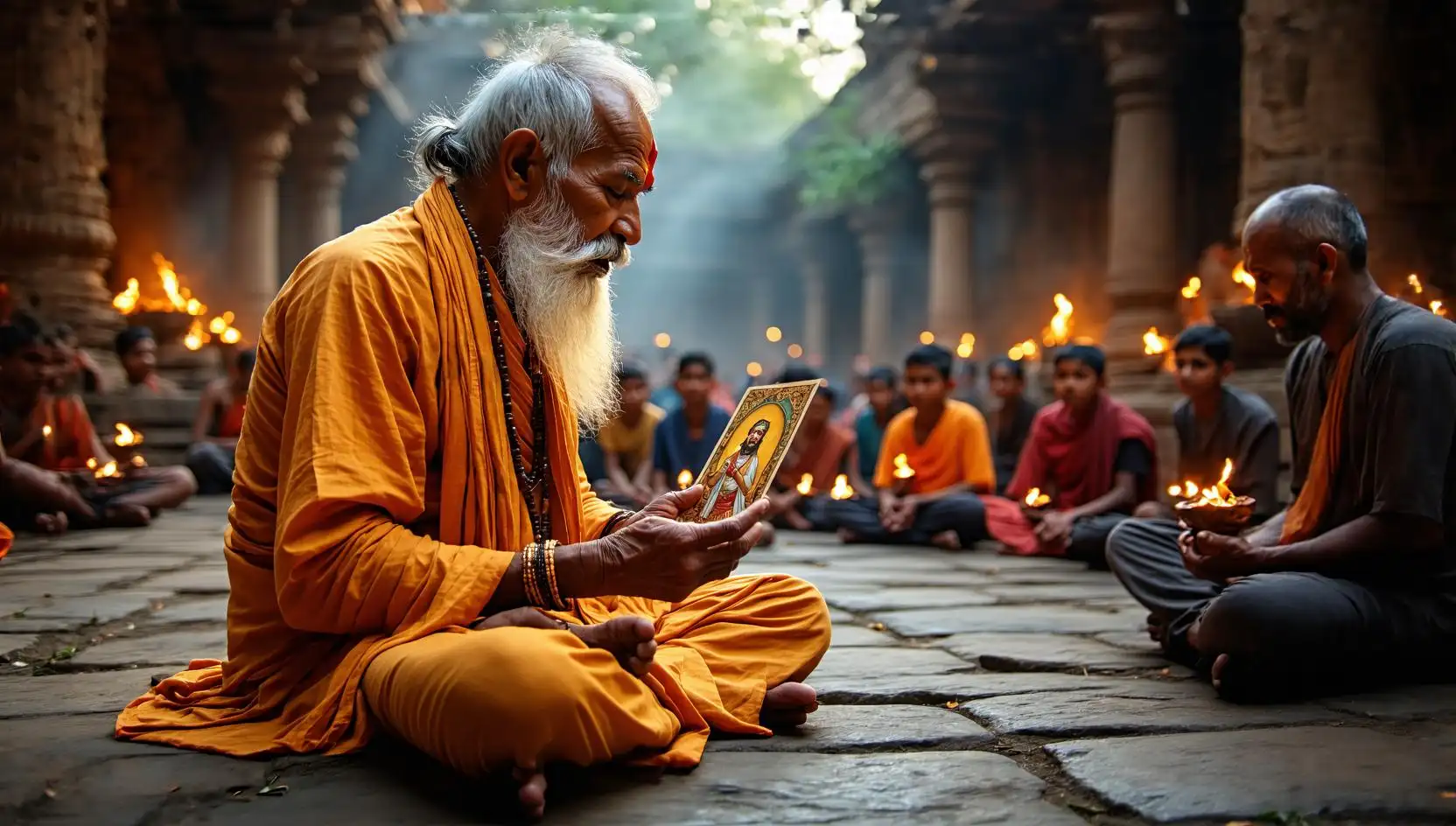
Despite its growing acceptance, Tarot—and particularly the Major Arcana—is often misunderstood. Let's address some common misconceptions:
While Tarot can offer foresight, it primarily reveals possibilities based on current energies. The Major Arcana explained emphasizes personal agency and choice, not deterministic fate.
As awareness grows, the future of Tarot in South Asia looks promising. Several trends are shaping its trajectory:
Women are leading the charge in Tarot education, creating safe spaces for discussion and healing. Their influence is evident in podcasts, blogs, and Instagram pages dedicated to feminist Tarot interpretations.
To conclude, mastering the Major Arcana explained is indispensable for any serious Tarot student. Whether you're drawn to Tarot for spiritual insight, personal growth, or professional development, the Major Arcana offers a roadmap for navigating life's mysteries.
In South Asia, where ancient wisdom traditions meet modern curiosity, the integration of Tarot into everyday life is both timely and transformative. Through thoughtful Tarot lessons, individuals can unlock the profound teachings embedded in these 22 powerful cards.
Ahmed
|
2025.06.26


